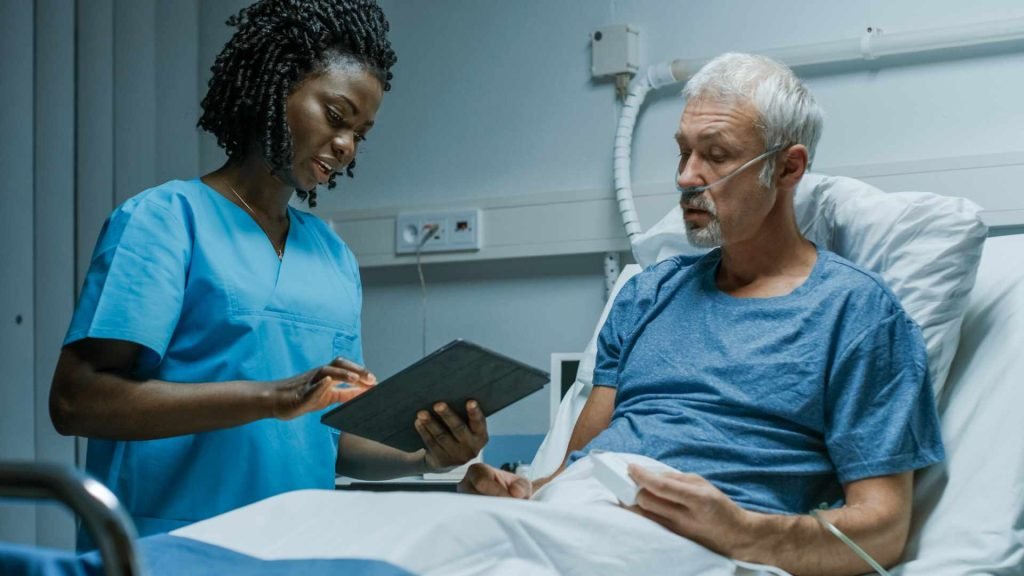
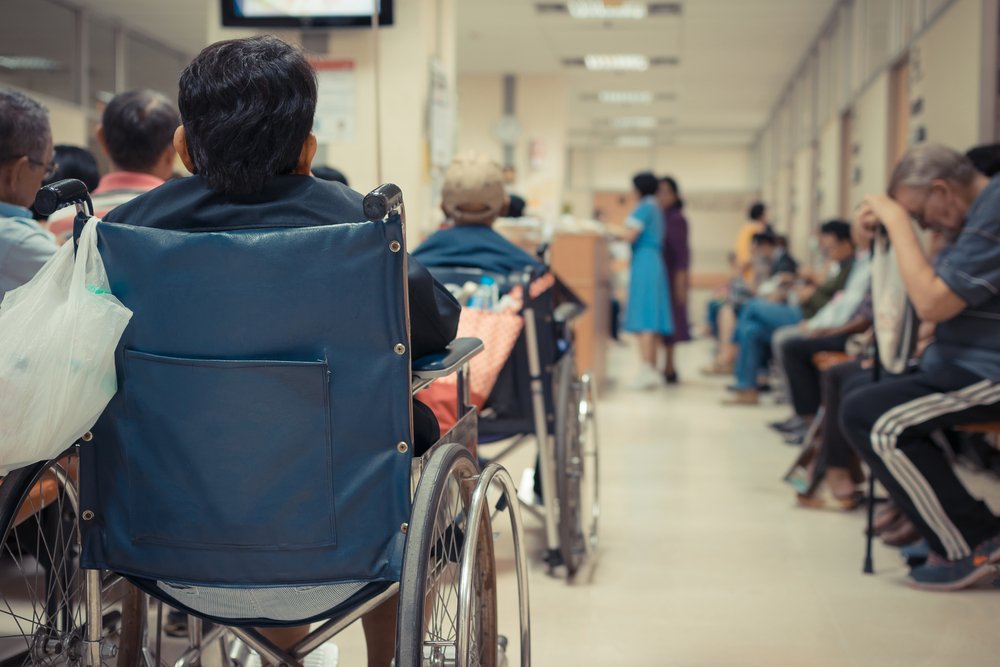
Nurses and other emergency department (ED) staff in England are facing increased pressure, burnout and distress because of the number of people in mental health crisis that they have to care for, a national safety body has warned.
The Health Services Safety Investigations Body (HSSIB) has found that EDs are handling larger numbers of people in mental health crisis than they are designed or equipped to manage.
“Emergency departments are often caring for people in crisis in spaces that were not designed for prolonged mental health care”
Nichola Crust
This is leaving ED staff facing increased pressure, burnout, compassion fatigue and moral distress as a result of caring for people needing specialist mental health support in an environment unsuited to their needs, the HSSIB found.
Two investigations were launched by the HSSIB in October 2024 to explore the safety of people in mental health crisis being cared for in urgent and emergency care services.
In an interim report published in April this year, the HSSIB raised concerns about a legal loophole that meant vulnerable people could leave the ED while they are waiting for assessment or admission.
This legal ambiguity exposes people in mental health crisis to increased risk of harm and creates extremely challenging conditions for healthcare staff, noted the HSSIB interim report.
This week’s report from the HSSIB found that because of gaps elsewhere in the urgent and emergency mental healthcare system, EDs had become the default location for people in mental health crisis to seek help.
The HSSIB said that, as a result, too many people with mental health crisis were facing prolonged waits, overcrowded environments, a lack of privacy and unmet basic needs.
This is creating distress and risk for people in mental health crisis and to other patients, families and healthcare staff, the HSSIB found.
Around 3% of ED attendances are related to mental health, but people with mental health problems are twice as likely as others to face ED waits of more than 12 hours, the report said.
It also found that many EDs were managing risks and needs beyond their intended role.
And in some cases, delayed admission to mental health inpatient services, prolonged ED stays and lack of support after discharge were not recognised as patient safety issues, the report found.
In addition, staff told the investigation about gaps in training on handling people with both physical and mental health needs. And they raised concerns about having limited access to specialist mental health nursing expertise within EDs.
The report also found that EDs were not designed to care for children in mental health crisis.
This follows a report from the Royal College of Paediatrics and Child Health published earlier this month, which warned of a sharp rise in the number of children in mental health crisis attending A&E.
The HSSIB has called on the government to take action to ensure the safety of people in mental health crisis in EDs.
“People experiencing a mental health crisis deserve appropriate, therapeutic and timely care”
Ian Higginson
It has also called on the government to ensure that EDs are designed and equipped to meet the needs of people attending them who are in mental health crisis.
Senior safety investigator at HSSIB, Nichola Crust, said: “Our investigation found that emergency departments are often caring for people in crisis in spaces that were not designed for prolonged mental health care.
“Long waits, limited privacy, unsuitable environments, gaps in information sharing and inconsistent approaches to care can increase distress and make it harder to understand and respond to a person’s changing risks and needs.”
Ms Crust said that EDs could not solve this problem alone. Instead, a whole-system response would be needed, with clearer expectations for mental health care in EDs and stronger accountability across the pathway.
“That is why we have asked [the Department of Health and Social Care] and NHS England to work with national stakeholders to set clearer expectations for how people in mental health crisis are cared for in emergency departments,” she said.
Andy Bell, chief executive of the Centre for Mental Health, said: “This report shows that too many people in a mental health emergency are let down by a system that isn’t designed to meet their needs.”
Mr Bell urged the government and the NHS in England to act on the report’s recommendations.
He said: “It’s not enough to establish separate ‘mental health emergency departments’.
“This requires systemwide action to make all emergency departments more appropriate environments for someone in a mental health crisis, to scale up community crisis responses according to the evidence of what works, and to address gaps in local inpatient care to address delays in admissions.”
Mr Bell was referring to a pledge made by health and social care secretary Yvette Cooper last month to fund 100 new community mental health centres and 59 dedicated mental health EDs.
Meanwhile, also responding to the report, president of the Royal College of Emergency Medicine, Dr Ian Higginson, said: “People experiencing a mental health crisis deserve appropriate, therapeutic and timely care.
“This report is yet further evidence that this is, frequently, not the case – and it is putting lives at risk.”
He said an ED should not be “the default” place for people in mental health crisis to go, and that there needed to be other options available.
More on mental health emergency care
Source link